



In learning about pelvic pain, there is something called the “evil triplets”. The “evil triplets” include endometriosis, pudendal neuralgia and interstitial cystitis. These three conditions normally occur together. For the purpose of this blog, I’m going to focus on endometriosis and interstitial cystitis.
Research shows that up to 85% of women with endometriosis have interstitial cystitis and women with endometriosis are 3-4 times more likely to have or develop interstitial cystitis. What the heck is interstitial cystitis?!
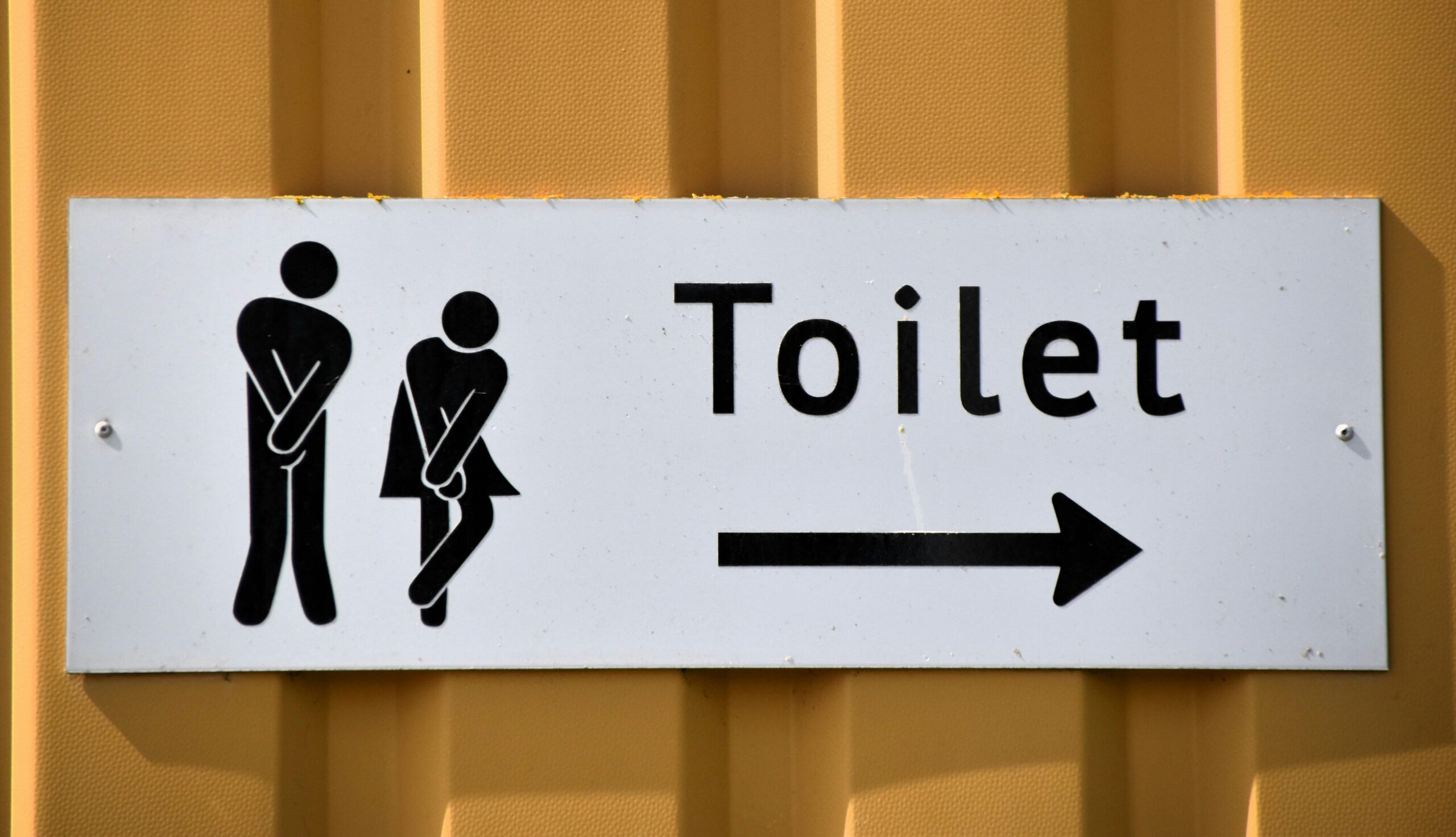
Interstitial cystitis is a fancy word for “bladder pain syndrome” or “bladder inflammation” in absence of an infection. The symptoms of interstitial cystitis, or “IC,” are commonly pain right above the pubic bone, in the lower abdomen, that feels like a pressure or burning, painful urination, painful urge to urinate, and urgent/frequent trips to the bathroom without much urine output. There usually is pain with a full bladder, which is temporarily relieved after peeing and there is also, commonly, painful intercourse associated with IC.
The reasons why women with endometriosis are prone to IC is complex and multifactorial. One obvious reason is that endometrial lesions can actually be on the bladder wall, causing cyclic inflammation. Another reason is due the chronic inflammation and sensitization that occurs with endometriosis.
When inflammation is constant or cyclic, it can start to irritate the nearby structures. With the bladder nearby and associated pelvic nerves, they get very sensitive to the inflammation and start to show their irritation. The bladder shows its irritation by not wanting to hold urine and giving a frequent, uncomfortable urge to empty.
Another reason is the pelvic floor! Pelvic floor dysfunction is present in both endometriosis and IC cases. The way the pelvic floor responds to chronic pain and inflammation leads to tension which then leads to difficulty emptying the bladder and being able to relax, further fueling tension and pain.
In 2022, the American Urological Association (AUA) released new guidelines with evidence-approved interventions for IC. Pelvic floor physical therapy is the only intervention with an evidence grade level of “A” (indicating effective results) and specifically states the need for manual therapy and avoidance of any strengthening/kegels.
If you’re experiencing bladder pressure, frequent urges to urinate, pelvic pain, or painful intercourse, especially alongside endometriosis, you are not imagining it, and you are certainly not alone. Conditions like interstitial cystitis and pelvic floor dysfunction commonly occur together, and addressing them is an important part of finding lasting relief.
Pelvic floor physical therapy is one of the most evidence-supported treatments for bladder pain syndrome, helping to calm irritated tissues, reduce pelvic floor tension, and improve bladder function without medications or invasive procedures.
You deserve a care plan that looks at the whole pelvic system, not just one diagnosis.
If you’re struggling with symptoms of endometriosis, bladder pain, or pelvic floor dysfunction, we’d love to help you find relief.
Call 843-471-0351 or fill out the form here to learn how pelvic floor physical therapy can support your recovery.

