

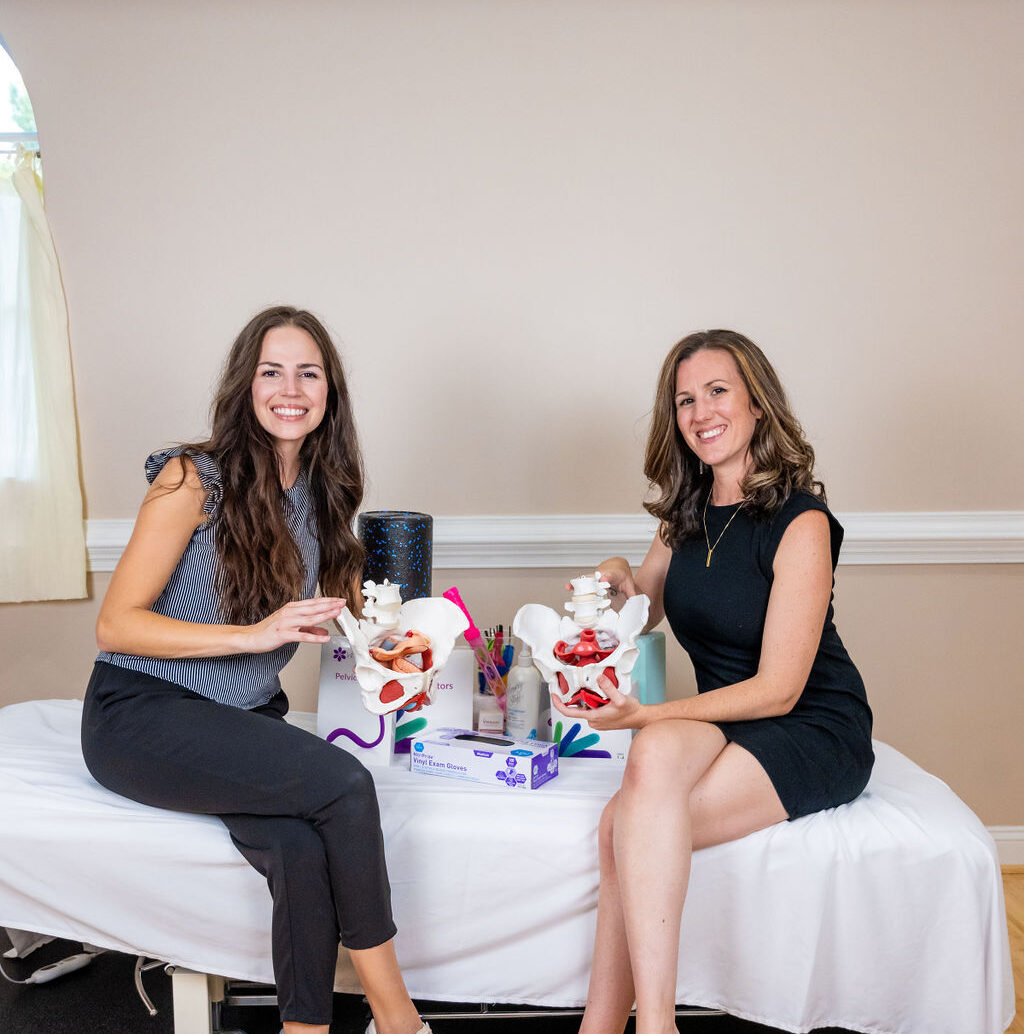


For endometriosis, excision surgery is the gold standard for treatment and removing the lesions/disease at the root. If all lesions/disease was excised (not ablated/burned), it is possible to still have pain. Even if you have a hysterectomy, you can still experience pain.
Let’s explore all the possible reasons why:
- If you still have your uterus, you may also have adenomyosis. This is common and usually leads to severe pain during the bleeding phase of your cycle and heavy bleeds.
- You have interstitial cystitis, which is extremely common! (see our previous blog “Endometriosis & The Bladder – Explained) Pelvic floor physical therapy is your answer here.
- You have pudendal neuralgia, or other nerve pain. Chronic inflammation will irritate your nerves and mast cells which lead to increased sensitivity. It is also possible to have adhesions along nerve roots.
- You have central sensitization. This is a big word for saying that your nervous system is on high alert. Every sensation is heightened for your protection due to chronic pain. We work on this in pelvic floor PT!
- You have pelvic floor muscle dysfunction, which almost 100% of women with endometriosis do! The muscles guard in response to pain and inflammation. In pelvic floor physical therapy, we work to calm them down and retrain them.
- Endometriosis may still be somewhere, especially on the bowel, if bowel symptoms persist and a GI surgeon was not there to excise.
If you’ve already had surgery and you are still experiencing pelvic pain, bladder symptoms, bowel issues, or painful intimacy, I know this information can feel overwhelming, frustrating and discouraging. Many people are told that surgery should “fix” everything but the reality is that the body often needs additional support to fully heal.
Do not fret! Track your symptoms for a cyclical pattern. Is it associated with bowel, bladder, sex? Is it only during bleeding? This information will guide the focus and inform you how to proceed.
Pelvic floor physical therapy is always highly recommended in all situations for endometriosis, whether you pursue surgery or not, and is a key part of comprehensive endometriosis care as conditions like pelvic floor muscle tension, nerve sensitivity, bladder dysfunction, and central sensitization commonly develop alongside endometriosis and can continue to cause pain even after the disease is removed.
Remember, endometriosis is an inflammatory disease, and many factors affect chronic inflammation like nutrition, sleep, and movement, and are all factors to consider as your body heals.
If you’re still searching for answers after surgery, know that there are still options to help you feel better.
Call 843-471-0351 or fill out the form here to learn how pelvic floor physical therapy can support your healing journey.

